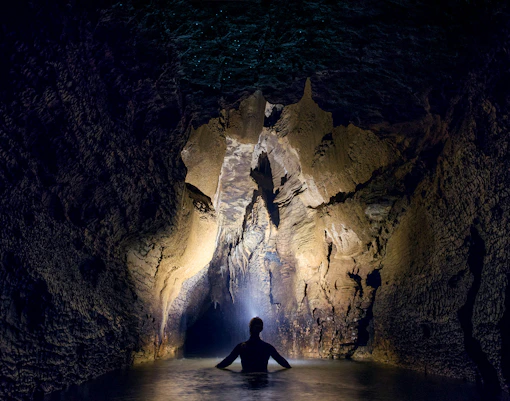
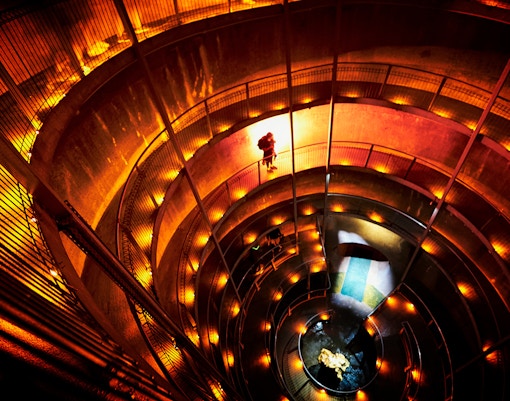
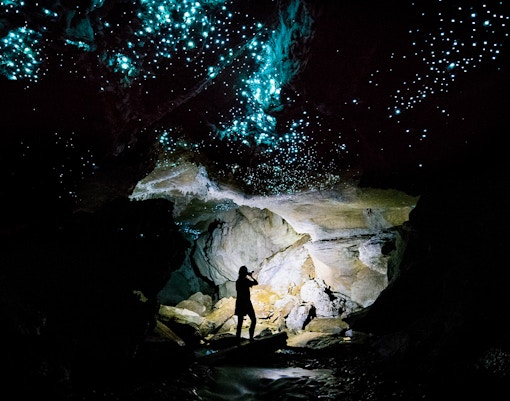
The delicate glowworm environment is preserved by carefully regulating light, temperature, and humidity within the caves, ensuring the species thrives.
Waitomo Caves: Everything you need to know for a magical day underground
Did you know?
The glowworms in Waitomo Glowworm Cave are unique to New Zealand and are scientifically known as Arachnocampa luminosa.
The caves were first explored by local Maori Chief Tane Tinorau and English surveyor Fred Mace in 1887.
Waitomo’s name comes from the Maori words 'wai' (water) and 'tomo' (hole or shaft), reflecting the caves’ watery passages.
What are Waitomo Caves?
Waitomo Caves are one of New Zealand’s most iconic natural attractions, located in the scenic Waikato region. Spanning a network of limestone caves and underground rivers, the area is famous for its glowworm grottoes, stalactites, and stalagmites.
Visitors can explore the world-renowned Waitomo Glowworm Cave on a guided boat tour, explore Ruakuri or Aranui Caves with their dramatic rock formations and Māori legends, or take part in adventure activities like black water rafting, ziplining, and abseiling. With options to combine your visit with nearby highlights like Hobbiton, Rotorua, or Te Puia, Waitomo Caves offers a full day of natural wonder, cultural experiences, and unforgettable adventures.
5 reasons why you can’t miss Waitomo Caves
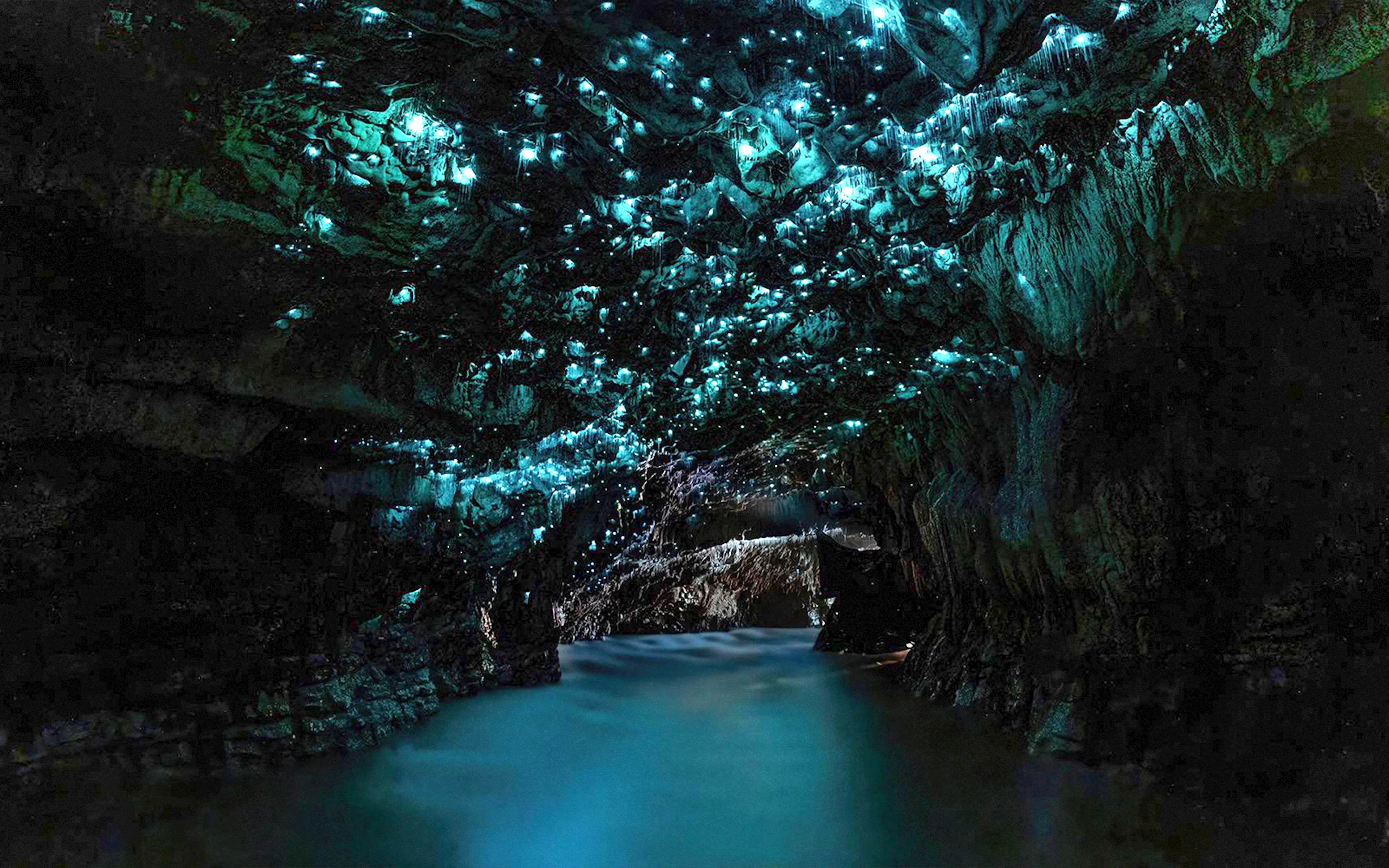
Glowworm grotto
See thousands of glowworms light up the cave ceilings, creating a magical starry effect, especially on a boat ride through the underground rivers.
Limestone formations
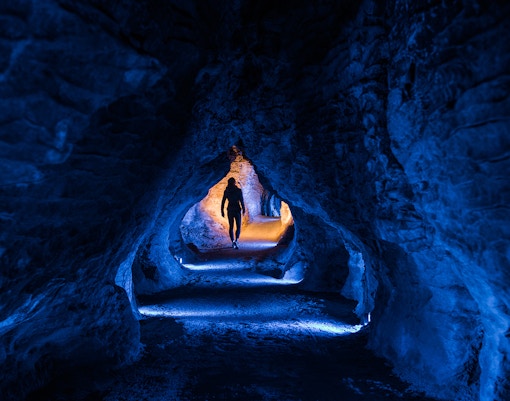
Explore towering stalagmites, delicate stalactites, and shimmering cave pearls at Ruakuri and Aranui Caves, all formed over 30 million years by mineral-rich water dripping through limestone.
Adventure activities
Beyond walking tours, travellers can try black water rafting, abseiling, and ziplining in certain sections of the cave network, combining adrenaline with the breathtaking underground scenery.
Cave wildlife
Spot unique species like cave weta and freshwater fish that thrive in the subterranean ecosystem.
Cultural heritage
Guided by descendants of the Māori chief who first explored the caves, listen to the stories that bring the legends, history, and unique features of Waitomo Cavs to life.
Waitomo Caves through time: Origins & milestones
1887: Māori chief Tane Tinorau and surveyor Fred Mace explore the caves using a flax raft and candles and discover the glowworm grotto.
1889: Tinorau and his wife Huti began guiding visitors through the caves for a fee.
1906: The New Zealand government took over the cave's administration due to increasing tourism and concerns over preservation.
1926: Electric lighting was introduced to the cave, replacing candles and enhancing the visitor experience.
1989: The land and caves were returned to the original Māori owners, including descendants of Tane Tinorau, under the 1990 Waitomo Deed of Settlement.
2010: A new visitor centre was opened, designed to reflect Māori culture and provide modern amenities.
Waitomo Caves: Conservation beneath the surface
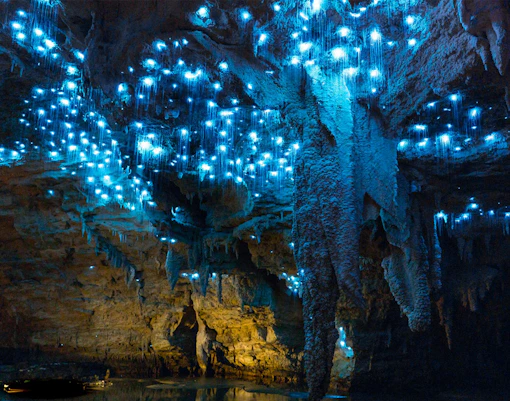
Glowworm habitat protection
Visitor management
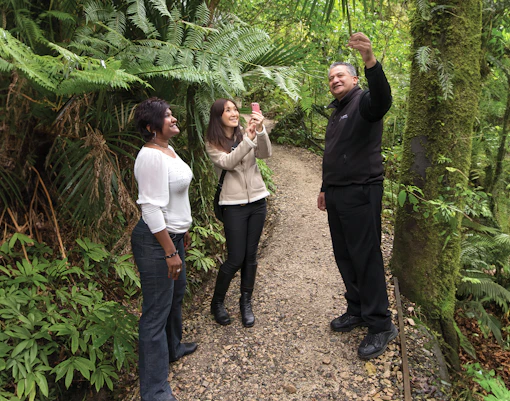
Visitor numbers are controlled, and guided tours follow designated paths and platforms to minimize human impact on cave formations and ecosystems.

Collaboration with Māori communities
Conservation practices incorporate traditional Māori knowledge and values, respecting cultural perspectives while protecting the caves.

Native tree planting
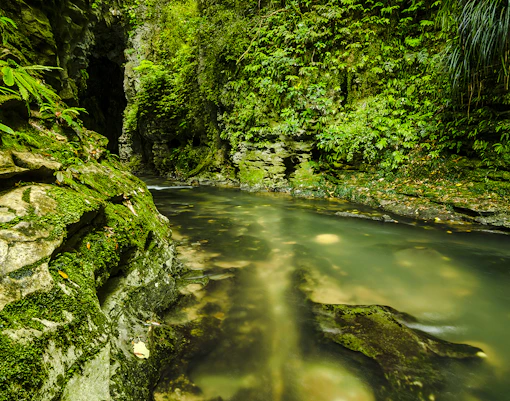
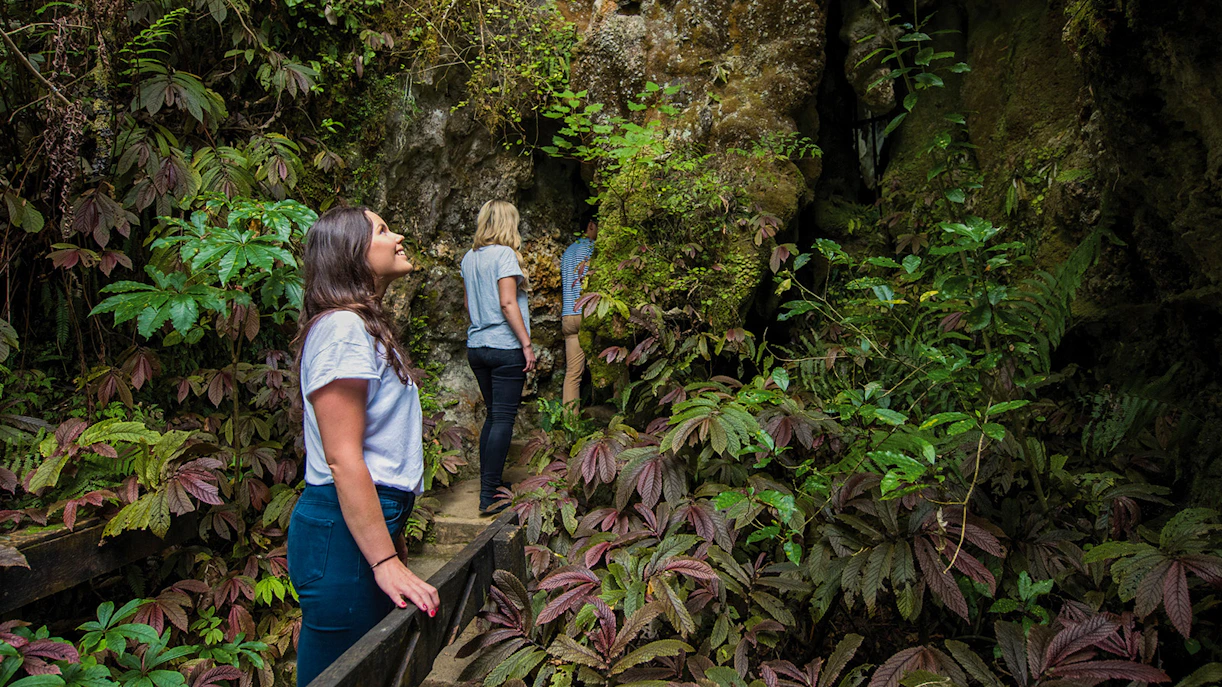
Reforestation initiatives restore native vegetation around the caves, boosting biodiversity and stabilizing the surrounding ecosystem.

Environmental monitoring
Advanced sensors and technologies track cave conditions, enabling timely interventions to safeguard the fragile subterranean environment.
Plan your visit to Waitomo Caves

- Waitomo Glowworm Cave: Open every day from 9am to 5pm. Guided tours depart roughly every 30–60 minutes and last about 45 minutes, showcasing the magical glowworm displays.
- Ruakuri Cave: Accessible daily from 10am to 3:30pm, with guided tours running throughout the day. Each tour takes around 1.5 hours, and the cave is fully wheelchair-friendly.
- Aranui Cave: Open daily between 9am and 5pm, offering small-group tours several times a day. Tours last about an hour, providing a more peaceful and intimate cave experience.
- Waitomo Caves are a world-famous natural attraction in New Zealand’s North Island, about 2.5 hours from Auckland. Spread across a network of limestone caves, they feature stunning glowworm displays, underground rivers, and guided tours for all ages, offering a magical and immersive experience of New Zealand’s unique underground landscapes.
- Address: 39 Waitomo Village Road, Waitomo Caves 3977 New Zealand. Find on Map.
Frequently asked questions about Waitomo Caves
The caves formed over millions of years as acidic rainwater and underground streams slowly dissolved limestone, creating tunnels, chambers, and stunning formations.
It’s not just about exploring caves, it’s about an immersive underground adventure. Visitors glide past thousands of glowworms, learn Māori legends, see unique limestone formations, and experience interactive guided tours.
The main chambers and tunnels vary by cave: Ruakuri has long winding walkways covering over 1 km, Glowworm Cave has large river chambers accessible by boat, and Aranui is smaller but rich in intricate formations.
No, all visits are guided to ensure safety and protect the fragile cave ecosystem. Expert guides lead the tours, providing fascinating insights and stories along the way.
Absolutely! With guided tours, boat rides through glowworm grottoes, and small-group experiences, the caves are family-friendly. Kids will be amazed by the glowing worms and fascinating rock formations.
Ruakuri Cave is fully accessible with smooth paths and ramps. Glowworm and Aranui Caves have stairs and uneven surfaces, so mobility considerations are advised.
Tours are guided, well-lit, and safe, but those with claustrophobia or fear of darkness may prefer Glowworm Cave’s boat tour, which offers a more open experience.
Many tours are led by guides who are descendants of the Māori chiefs who originally explored the caves, sharing ancestral stories and legends.
Yes, the caves are open year-round, with consistent underground temperatures making them enjoyable in any season.
No, pets are not permitted to protect the cave environment and wildlife.